
Development Trends in the Space and Satellite Communications Industries (WSBW #1)
09.10.2026
Government investment
He identified government funding as the primary factor driving the development of the space industry: government budgets started at approximately $70 billion in 2016 and are projected to rise to nearly $200 billion by 2030. Naturally, governments invest primarily in defence and security (Fig. 1).
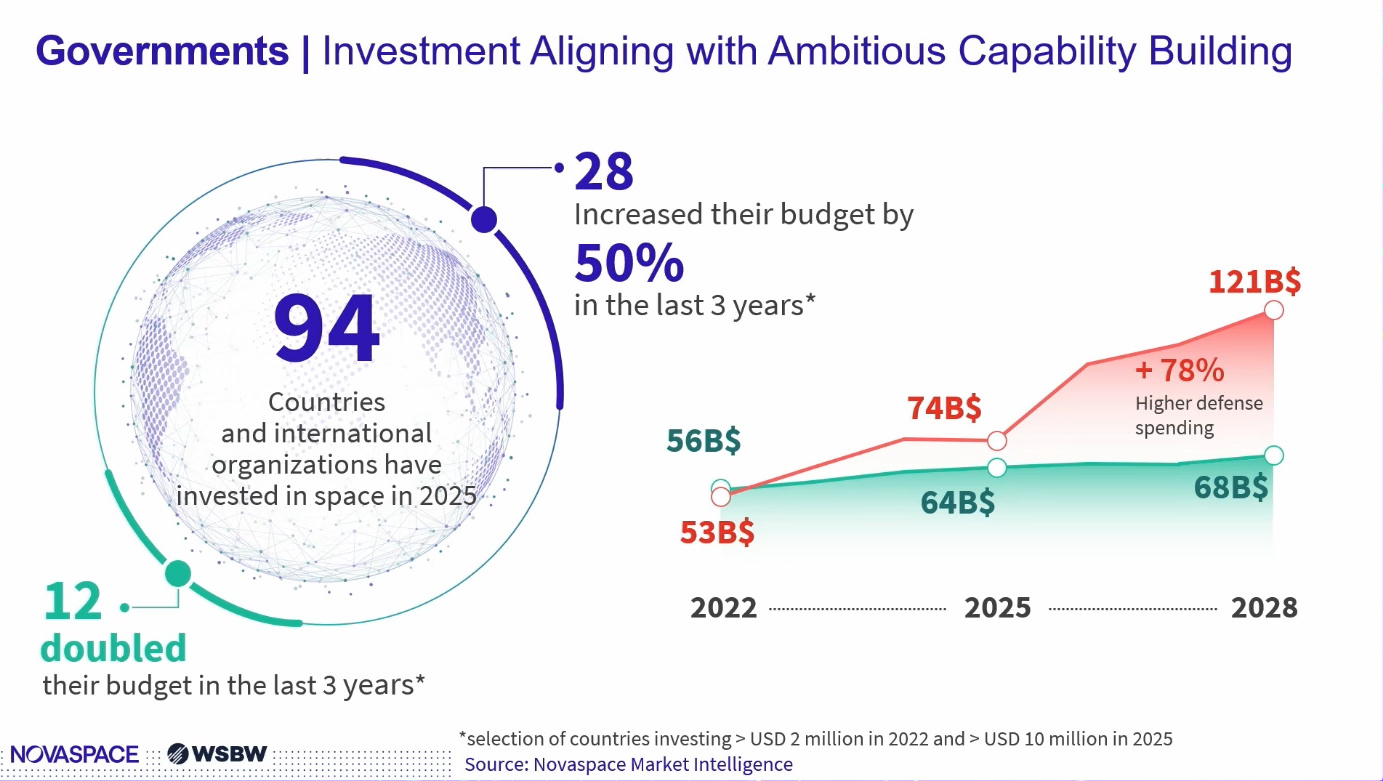
Fig. 1. Government funding for the space sector, according to Novaspace data.
Vertical integration
The trend towards vertical integration continues, is gaining momentum and yielding significant results. This impacts the industry's scalability as well as the restructuring of the entire ecosystem. Vertical integration leads to the creation of potential space giants, granting access to strategic resources — primarily spectrum — and enabling them to stake a claim to strategic markets (Fig. 2).
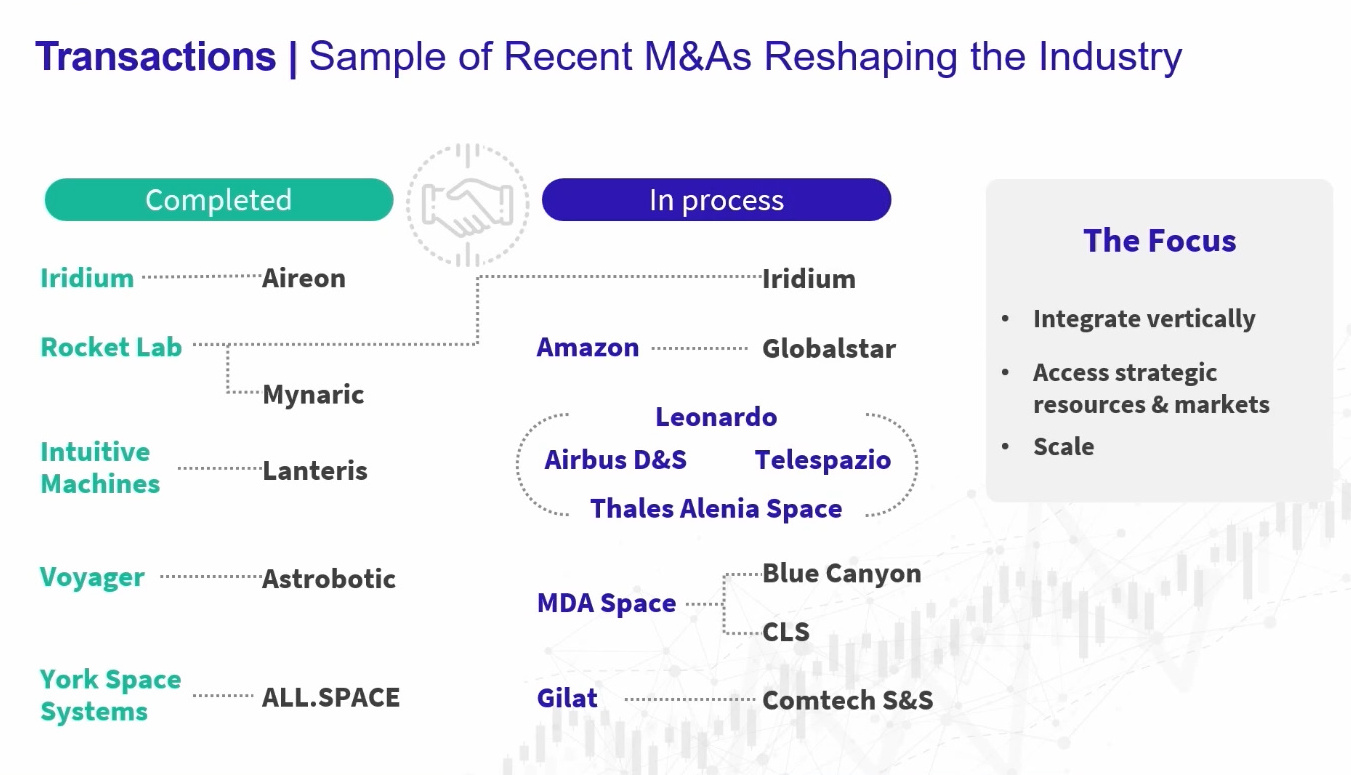
Fig. 2. Recent deals demonstrating a trend toward the creation of vertically integrated companies.
Attendees of “The Strategy Shift Among Global Operators” session expanded upon the points raised by Mr. Révillon.
Mark Dankberg, CEO of Viasat, explained the company's policy on this matter and expressed a viewpoint that was, by and large, supported by all the session attendees. During periods of rapid technological and market change, vertical integration is important because it enables the swift adjustment of boundaries between modules and subsystems and the fine-tuning of interfaces governing their interaction. Therefore, as a vertically integrated company, Viasat does not include launches within its scope of interest, since the interface between rockets and satellites has remained unchanged for decades. At the same time, the company attaches importance to vertical integration in the fields of high-frequency systems, digital processing and ground-based systems. Once the market and technological development reach a stable phase, vertical integration loses its rationale, as a company is forced to excel in every module and subsystem — a task that is extremely difficult in large markets.
Glenn Katz, CCO of Telesat, added that the attitude toward vertical integration depends on the stage and scale of a specific company's development. If a traditional operator — like Telesat was until recently — begins developing a low-Earth orbit constellation, it cannot do without vertical integration in at least one aspect: the software for the entire network.
Tim Yooks, SVP Global Business Government Affairs, SpaceX, noted the importance of balancing vertical integration and company agility. Adel Al-Saleh, CEO SES, who took part in a lightning interview that served as a dedicated segment of the WSBW 2026 business programme, explained that a company operating beyond the scope of merely selling satellite capacity simply could not function without being vertically integrated. For example, when it comes to aircraft connectivity, the operator must control the entire system, including the development and production of antennas, modems and other equipment certified for use on board the aircraft. To more effectively develop its own medium-Earth orbit constellation, the operator is launching in-house satellite production by early 2028.
Access to space
Access to orbit and access to space continue to be among the limiting factors. This is due to the fact that the increase in starting capacity lags behind the rapid growth in demand (Fig. 3).
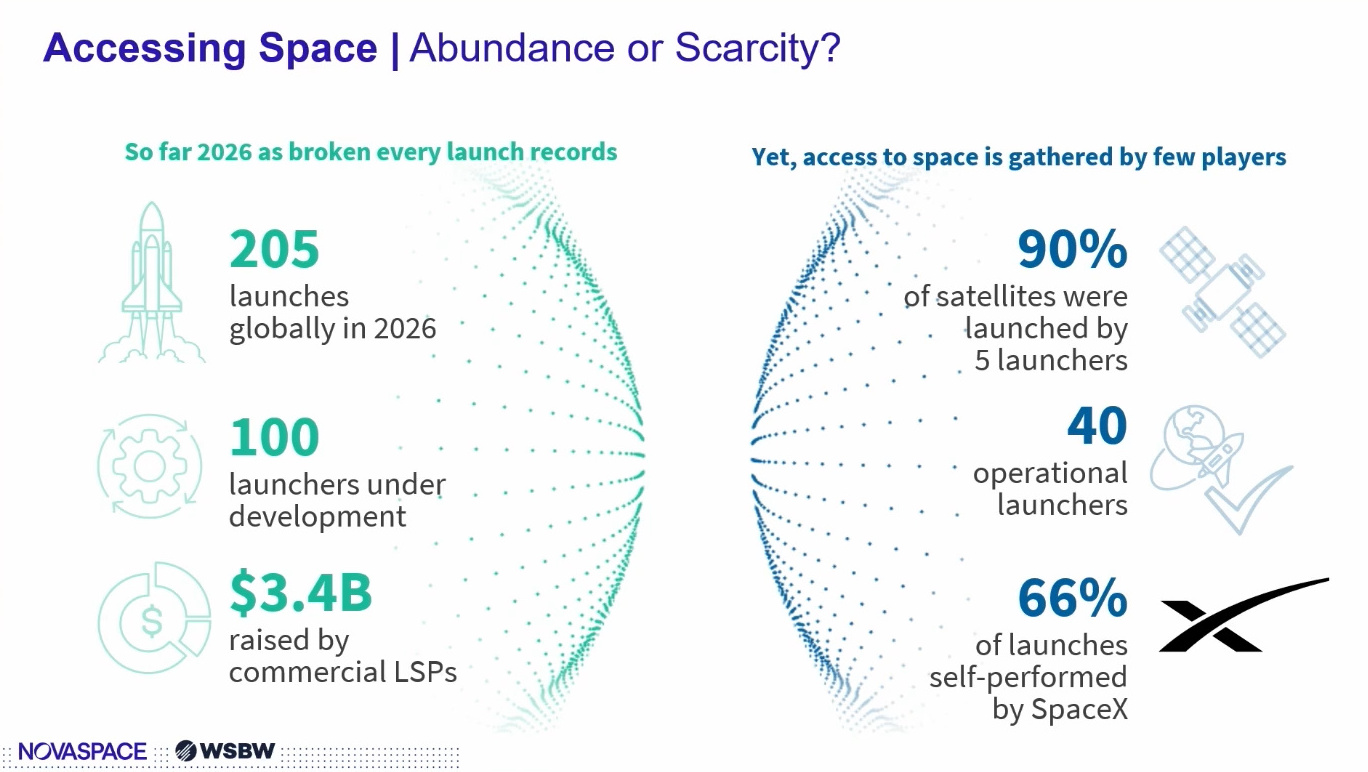
Fig. 3. The launch industry continues to set records, yet access to orbit is provided by a few players.
Therefore, a decisive question for the development of the launch industry is whether new launch programmes can transition from the development stage to truly reliable and scalable operations.
Sovereign satellite systems
This year has seen an acceleration in the development of sovereign satellite systems for various purposes, including communications, reconnaissance and surveillance, and others. This is due to state investment, as the budgets for constellation deployment align with political priorities (Fig. 4).
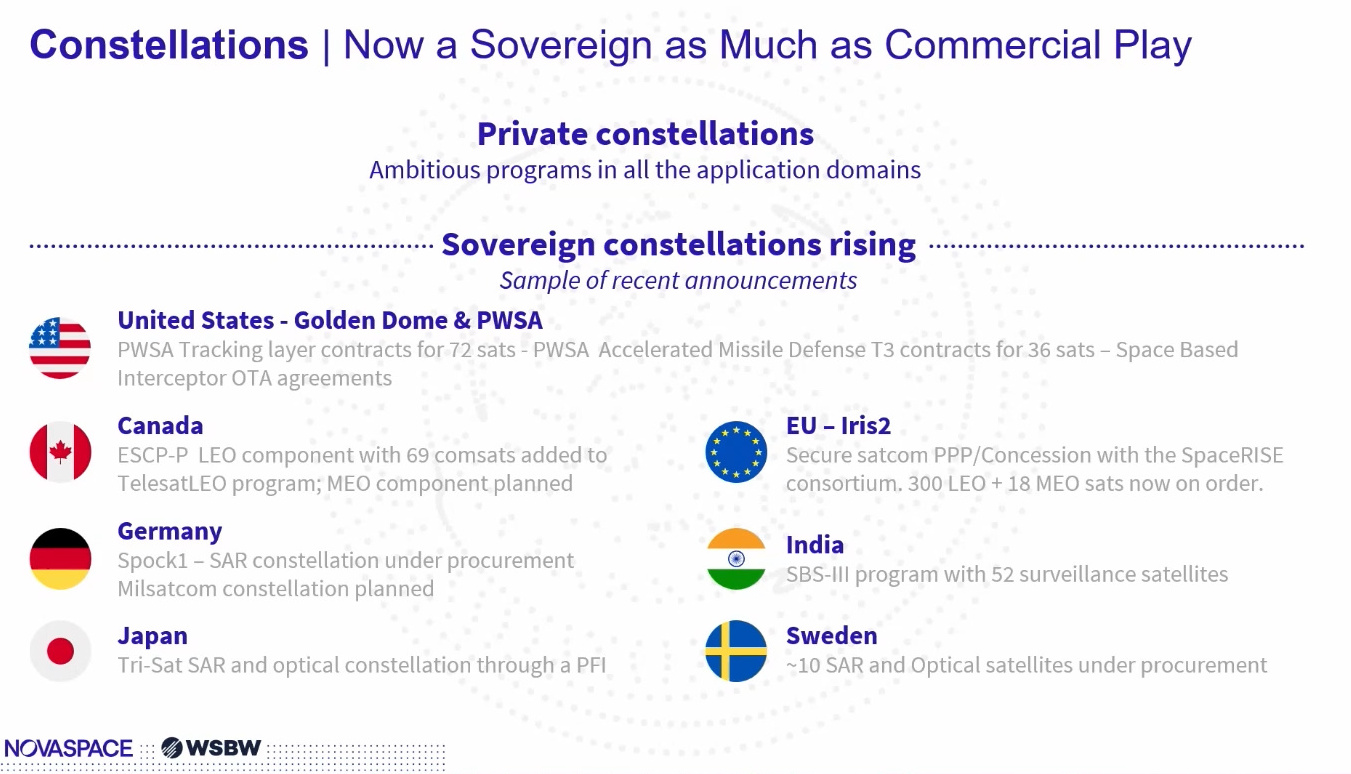
Fig. 4. Some sovereign satellite systems.
Mark Dankberg points out a fundamental contradiction: satellites are inherently global, whereas interests are national in nature. Therefore, in practice, it is very difficult to implement a model that takes both aspects into account. But Viasat has developed a national framework for interacting with cell tower owners, and the company plans to roll out a similar model globally.
Satellite communications
Satellite communications will continue to scale up, primarily through the deployment and commissioning of new satellite constellations. The future development involves hybrid networks and multi-level services that address the full spectrum of needs — from sovereign, ultra-secure networks to the mass market (Fig. 5).
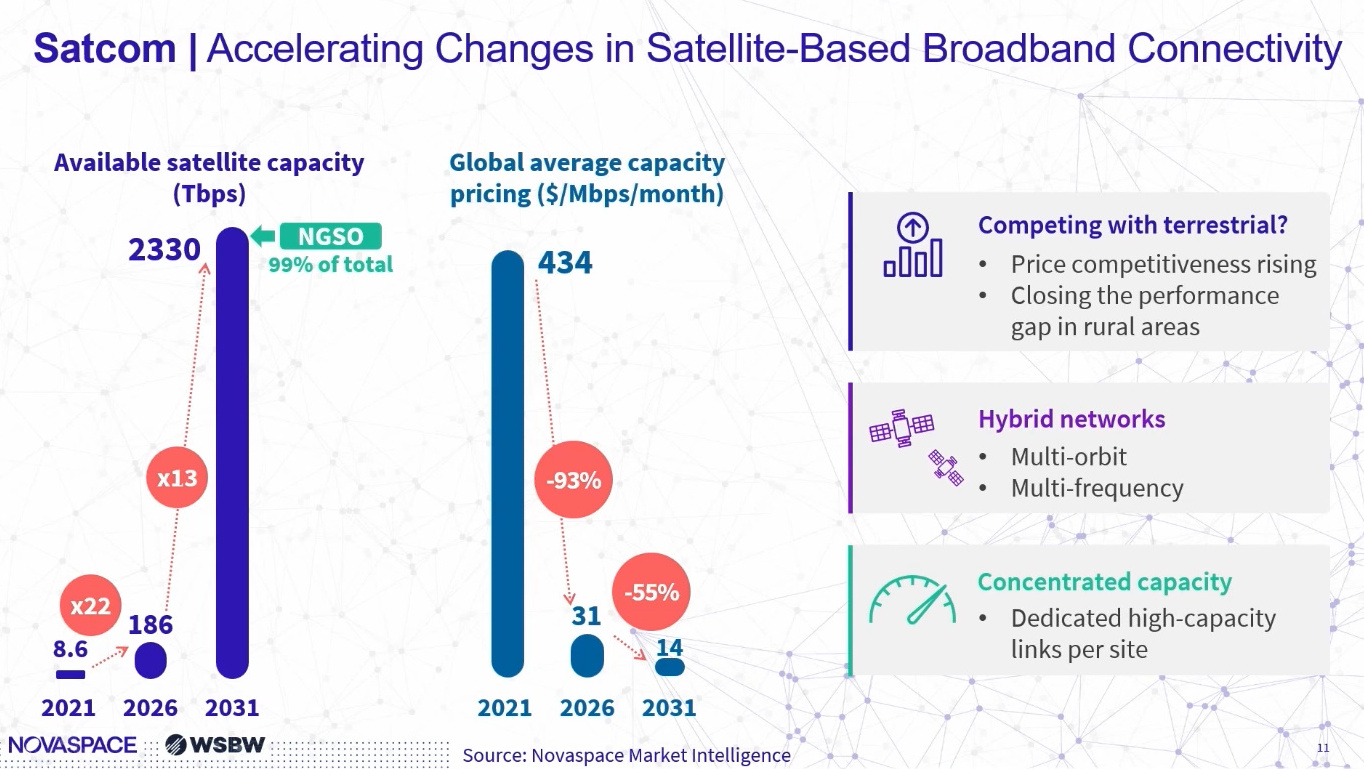
Fig. 5. Forecast of satellite capacity available on the market and satellite traffic prices.
D2D — direct-to-device connectivity — is currently at a turning point. Over the past year, this sector saw active partnership agreements and announcements of new satellite constellations, while the total value of transactions involving the acquisition of various D2D assets — both tangible assets and spectrum usage rights — amounted to approximately $30 billion (Fig. 6).
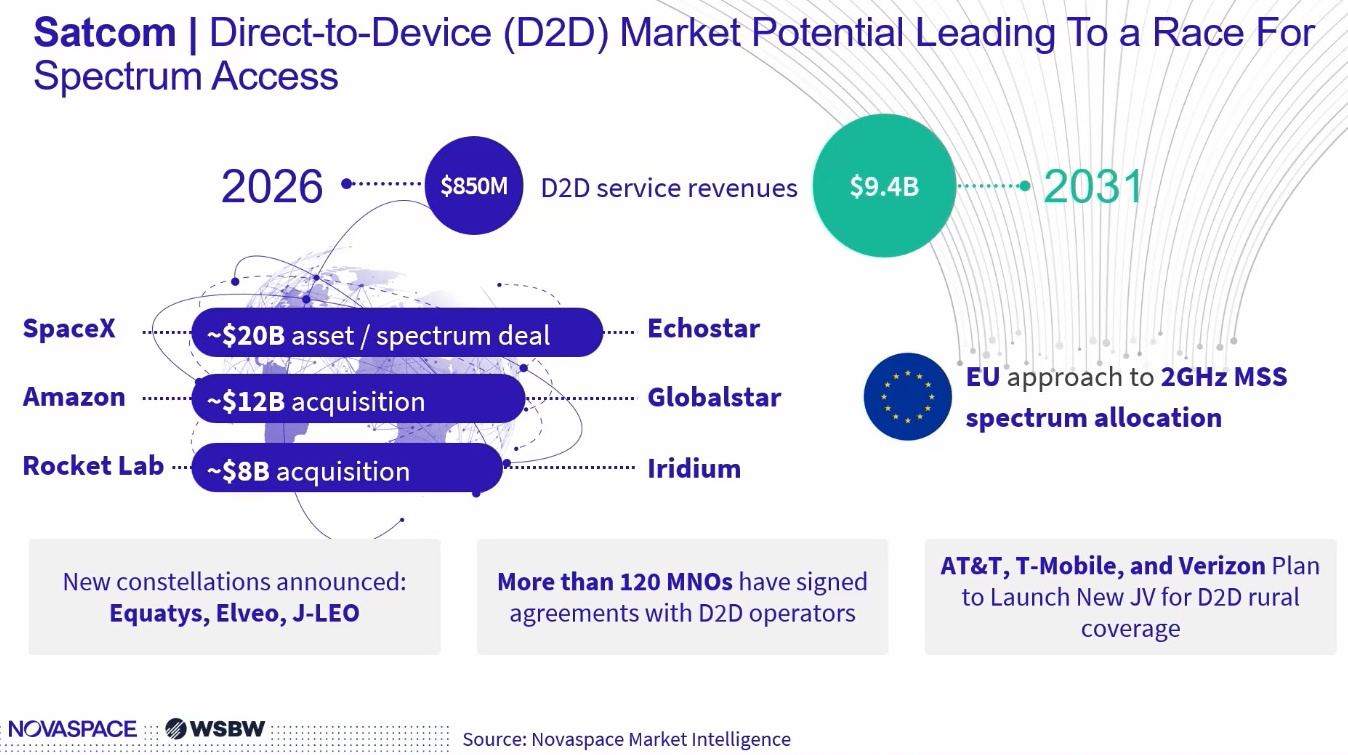
Fig. 6. D2D market development.
Updated operator plans
The top priority for the Space42 and Viasat alliance is the launch of the Equities service and the refinement of collaboration with MNOs. Eutelsat is focused on creating IRIS² and upgrading OneWeb. In August, the SpaceRise consortium, which also includes SES and Hispasat, secured funding that enabled the actual implementation of the IRIS² project to begin. Contracts were signed with space hardware suppliers — Airbus Space and Defence, Thales Alenia Space, and Aerospace Lab — for the creation of a multi-orbit constellation.
The first IRIS² satellites will serve military needs, with launches scheduled to begin in 2029. The launch of civil satellites will commence in 2030, and commercial operations are set to start in 2032.
At the same time, the operator is upgrading the OneWeb constellation, which generates a quarter of its revenue. It is projected to grow by 70% year-on-year.
Eutelsat has ordered over 600 additional OneWeb satellites and plans to increase the constellation size to 1,300 satellites by 2030. SpaceX is building all its plans around Starship. This carrier rocket has already been flight-proven, and its commercial use will begin in the near future. The new, powerful carrier rocket will unlock the third-generation Starlink deployment phase for the company, including D2D services. Responding to a question about cooperation with mobile network operators, Tim Hughes noted that the company was ready to collaborate wherever it made sense. This stance suggests that Starlink’s primary model ultimately relies on the independent promotion of D2D services.
Glenn Katz once again emphasised that Telesat would not operate in the consumer segment, focusing instead solely on the corporate and government sectors, as well as mobile communications. To this end, professionals are developing a framework that will streamline and standardise interaction with partners as much as possible.
For SES, satellite broadcasting remains a powerful revenue generator, although its share of the total mix is steadily declining. However, the operator believes that this service will remain quite significant. This is also confirmed by contracts concluded for terms extending up to 2040.
To quickly enter the D2D business, SES is investing in the Elveo project. At the same time, however, SES is seeing growth in its mobile communications business and government contracts. Today, within the operator's portfolio, these sectors have for the first time surpassed the declining traditional services.
SES also plays a leading role in the European IRIS² project and is preparing to upgrade and modernise its medium-Earth orbit constellation, with plans to expand it to 100 satellites.
Orbital data centres
Mr. Révillon highlighted space-based data centres as a promising and strategically important sector. This technology is still in the early stages of development; designers face a number of challenges regarding components, overall architecture, performance and the creation of an effective economic model.
SpaceX is showing the greatest activity here. The company's second project linked to Starship is the deployment of orbital data centres.