

In addition to organising the training sessions, these meetings will also include discussions on the involvement of young professionals from the Member States in the international youth support project “Youth Far Beyond Borders”. It is expected that in 2026 the regional training workshops will cover a wide range of regions worldwide, including Eastern Europe, Central Asia and Southeast Asia.
Workshops on the hot topics in the development of the satellite industry are arranged in accordance with the cooperation agreement on building industry potential and digital skills of employees in the field of satellite communications and broadcasting technologies, which was signed between Intersputnik and ITU at the World Telecommunication Development Conference (WTDC-25) held in November 2025 in Baku, Azerbaijan. The Agreement aims to create a sustainable and inclusive platform for training and professional development of qualified personnel in the satellite communications and broadcasting industry. The ITU-Intersputnik collaboration seeks to create unique conditions to ensure the most effective use of satellite technologies, bridging the digital divide and developing human resources in the industry, primarily within Intersputnik member states.
Depending on the needs and topics of the workshops that are relevant in a particular region, the ITU and Intersputnik, as co-organisers, plan to invite attendees and partners from government agencies, businesses and the research community to the project. For this purpose Intersputnik holds meetings with interested organisations and bodies from Member States. In preparation for the workshops, consultations were held in Sofia in December 2025. They provided a better understanding of the training requirements of the industry community in Eastern Europe, particularly in Bulgaria. At these meetings Intersputnik was represented by Svetlomir Stoychev, Finance Director. Representatives of the ICT industry, the national regulator for communications and broadcasting, and the media attended the consultations on the Bulgarian side. Bulgarian telecommunications companies, which have their own space telecommunications infrastructure and well-developed ground-based technical facilities, expressed interest in holding a similar event under the auspices of the ITU and Intersputnik. Arrangement of such an event will boost the implementation of satellite communications projects, improve service quality and open up new opportunities for scientific and technical cooperation, benefiting users in Bulgaria and the entire Black Sea and Balkan region.
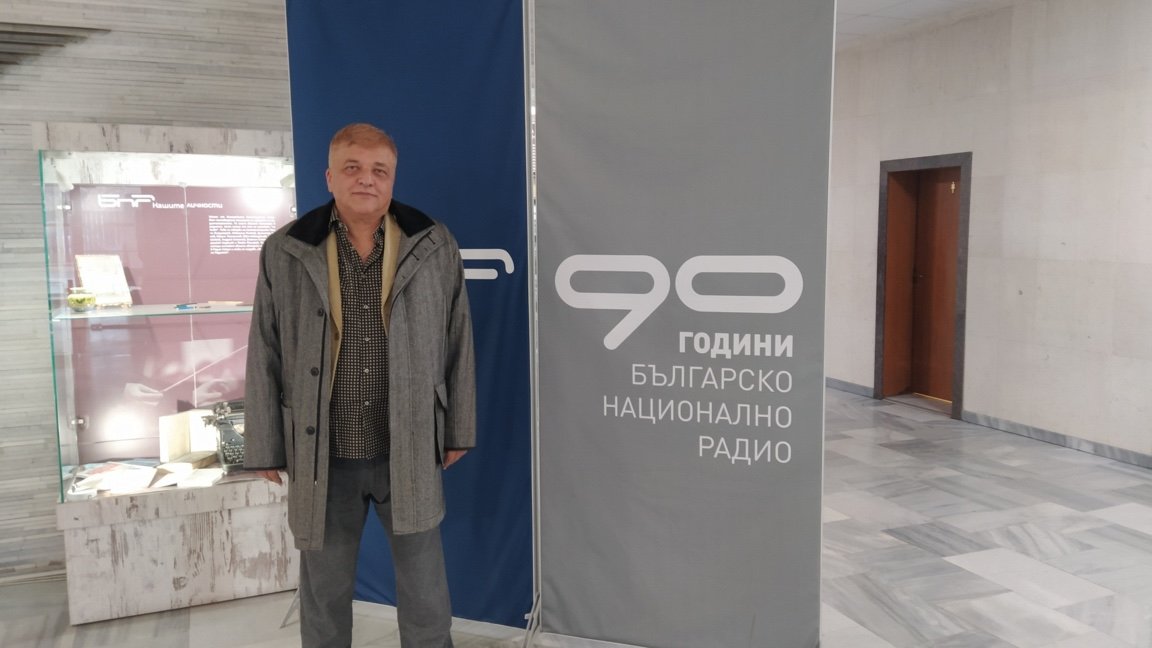 Svetlomir Stoychev, Finance DirectorSatellite communications are now an integral part of the telecommunications industry. It is one of the industry's fastest-growing sectors, attracting the attention of all stakeholders The growing importance of satellite communications is driven by the vast number of regulatory issues associated with the use of this technology at the national and international levels. This is why a significant portion of the agenda items for the upcoming World Radiocommunication Conference 2027 is related with satellites. Furthermore, the satellite communications market is constantly in flux due to the development of new technologies and business models, with new players, products and services emerging all the time. In this regard, Bulgarian colleagues emphasise the importance of raising awareness of the benefits of satellite technologies and maintaining up-to-date knowledge of related regulations and policies.
Another important topic discussed during the consultations was the potential participation of Bulgarian representatives in the Youth Far Beyond Borders project. Through this project, Intersputnik arranges the engagement of young professionals from its Member States at the most significant industry events (such as exhibitions, conferences, congresses, etc.) as delegates and speakers. The project participants also take part in programmes and lectures on key industry topics and attend motivational meetings with leading figures of the global satellite industry. The project's strategic goal is to engage young people in addressing UN humanitarian issues.